State & Local AI Policy: State and Local Government Are Pricing Physical Impacts
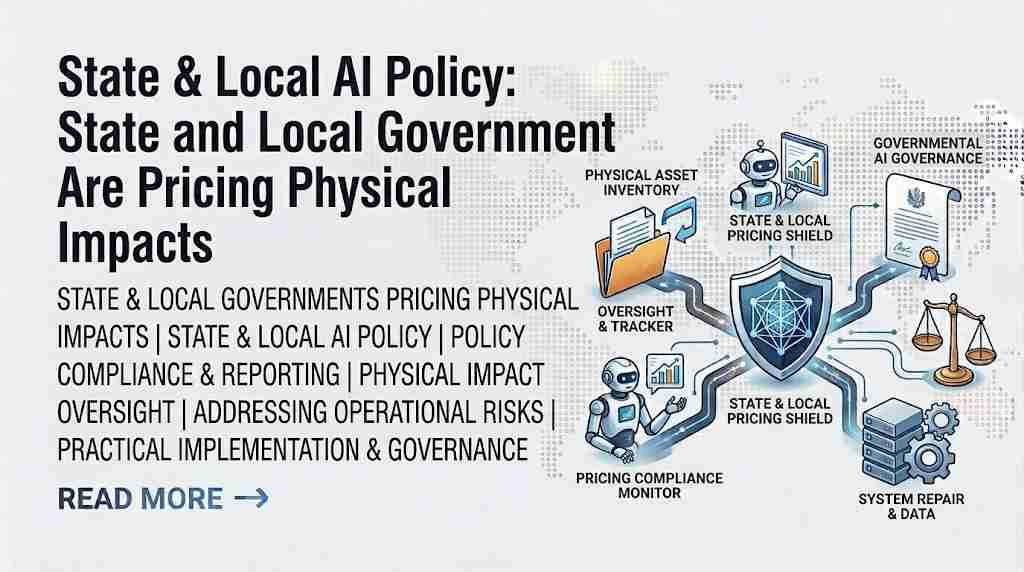
Pennsylvania locks in binding data-center grid rules
Governor Josh Shapiro signed Executive Order 2026-05 on August 18, making the state’s GRID standards legally binding for data-center developers rather than voluntary guidance Governor Josh Shapiro signed Executive Order 2026-05 on August 18, making Pennsylvania’s GRID standards legally binding for data-center developers. New projects now require a formal Consent Order in which developers commit to local approval processes, fully fund new electricity infrastructure themselves, and meet water-conservation requirements projects now require a Consent Order committing developers to local approval, full funding of new electricity infrastructure, and water-conservation measures — a notable shift in how states are pushing the cost of AI’s power buildout back onto the companies driving it, rather than ratepayers. AI WeeklyAI Weekly
Pennsylvania’s action moves the data-center debate beyond voluntary promises. Energy affordability, water, transparency, workforce benefits, and municipal approval are becoming enforceable project conditions. Other states are likely to study the model.
State Laws around AI
• States continue to outpace Congress on AI legislation. An August 14 legislative update counted 85 new AI laws across 27 states during 2026, covering transparency, automated decisions, education, elections, privacy and government procurement. Transparency Coalition legislative update
• California advanced education-related restrictions. AB 1651, concerning AI use in bar examinations, was sent to the governor on August 10. SB 928, approved August 13, would require instructors of record in the California State University system to be human, although AI could still be used as an instructional aid.
• A fragmented compliance environment is taking shape. Organizations deploying nationally increasingly need an inventory of where AI is used, what data it processes and which state-specific notice, testing or human-review requirements apply.
State Government
• California established an AI Cyber Defense Program on August 10. Located within the California Cybersecurity Integration Center, it will use AI for vulnerability detection, network hardening and incident response. California Governor’s Office
• The program is intended to expand beyond state systems. Planned beneficiaries include local governments and critical-infrastructure operators that may lack advanced internal cyber capabilities.
• State governments are moving from regulation to operational deployment. High-value areas include fraud detection, benefits processing, cyber defense and document review—but they require procurement standards, impact assessments and appeal processes.
Law Enforcement
• Police use of AI-powered license-plate readers remained under scrutiny. An August 10 investigation examined alleged misuse of Flock Safety searches and cases in which officers were disciplined or arrested. InvestigateTV
• The main issue is governance, not simply accuracy. Agencies need clear rules governing authorized purposes, warrants, cross-jurisdictional searches, retention periods and access by individual officers.
• AI-generated investigative leads should not be treated as proof. Human verification and documentation of how a lead was produced remain essential for due process and courtroom reliability.
Source text: Raw news 8-20.docx — Pennsylvania data-center grid rules; State Laws around AI; State Government; Law Enforcement. AI_Newsletter_V1_Issue_73.docx — What Is Most Interesting in the Common News.